Slim vs Protective Phone Cases
What Works Best for Daily Life?
Choosing between a slim phone case and a more protective one is a common dilemma.
Many people want their phone to feel light, elegant, and easy to carry—but also want enough protection to feel confident using it every day. For women who use their phones constantly at work, during commutes, and throughout daily life, the right balance matters more than extremes.
This guide explains the real differences between slim and protective phone cases, and how to decide which option fits your everyday routine best.
What Is Considered a Slim Phone Case?
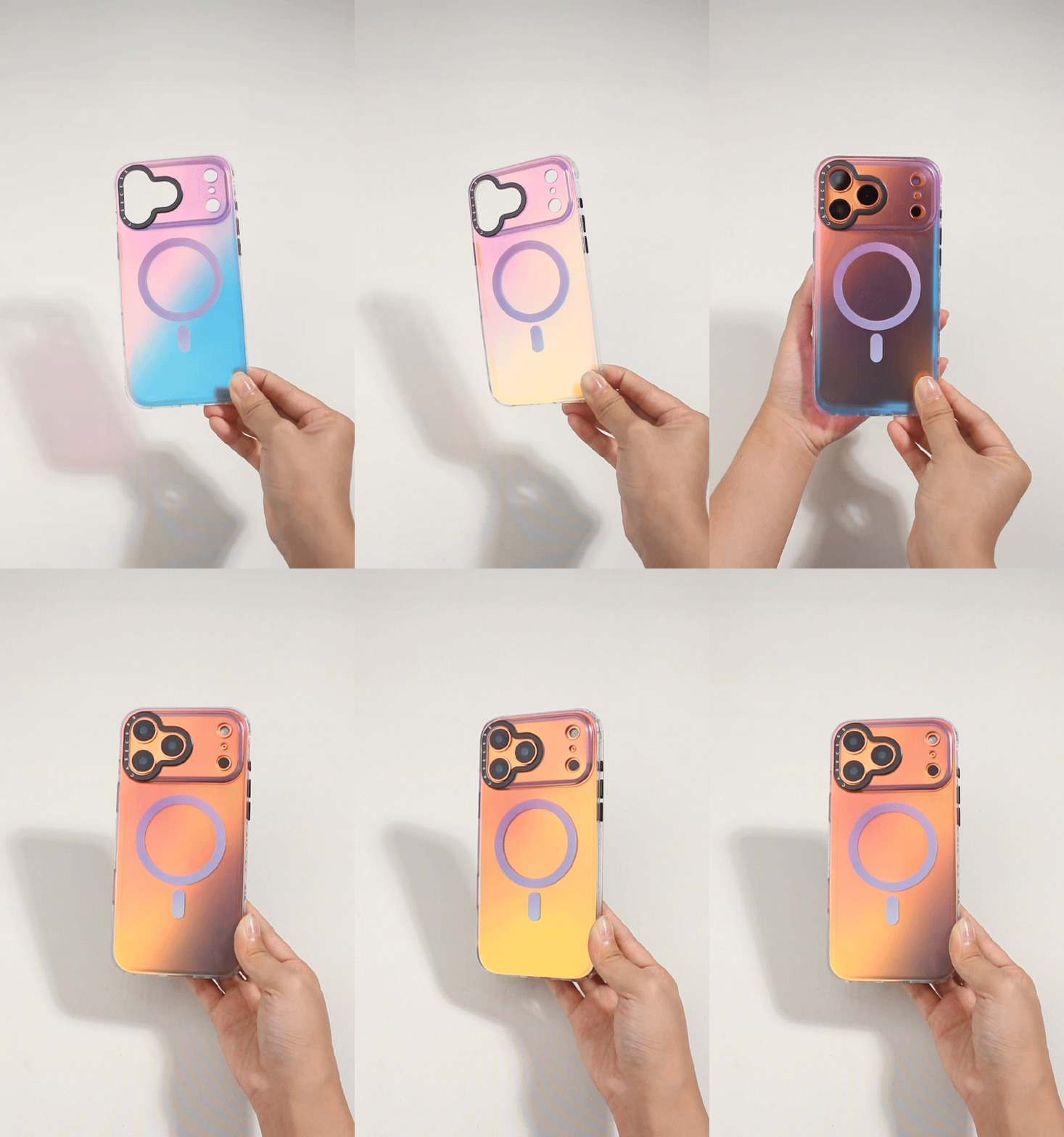
A slim phone case is designed to keep the phone’s original shape and feel as close as possible to the device itself.
Slim cases are typically lightweight, easy to slip into small bags or pockets, and comfortable to hold for long periods. They are often chosen for their minimal appearance and everyday convenience.
For daily use, slim cases appeal to those who value portability and a clean, unobtrusive feel.
What Is a Protective Phone Case?
Protective phone cases focus more heavily on impact resistance and coverage.
They are usually thicker and may include reinforced corners or additional layers designed to absorb stronger impacts. These cases are often preferred by people who work in more physically demanding environments or are frequently outdoors.
While protective cases offer higher impact resistance, they can feel bulkier during everyday use.
How Much Protection Do You Actually Need for Daily Life?
For most daily activities—commuting, working, placing your phone on tables, or carrying it in a bag—phones are more likely to experience minor drops, scratches, or bumps rather than extreme impacts.
In these situations, everyday protection is usually sufficient. This means a case that protects against common wear and tear without significantly increasing size or weight.
Understanding your daily environment helps determine how much protection you realistically need.
Comfort and Portability in Everyday Use
Comfort plays a major role in daily phone use.
Slim cases are often easier to handle with one hand and feel more natural during long periods of use. They also fit more easily into handbags, crossbody bags, and coat pockets.
Bulkier cases may offer peace of mind but can feel inconvenient when you frequently take your phone in and out of a bag.
How Protection Affects Design and Feel
Protective cases often prioritize durability over appearance and hand feel.
Slim cases, on the other hand, focus on maintaining a balanced feel—protective enough for daily life while still looking refined and comfortable to use.
For many people, the ideal case is not the most protective option available, but the one that feels right throughout the day.
Which Option Is Better for Everyday Use?
For everyday life, many people find that a balanced approach works best.
A slim or moderately protective case can offer reliable daily protection without sacrificing comfort or portability. Extreme protection is not always necessary unless your daily routine involves higher risks.
Choosing based on how you actually use your phone leads to a more satisfying experience.
How to Decide What Fits Your Lifestyle
When choosing between slim and protective phone cases, consider:
-
How often you carry your phone in small bags or pockets
-
Whether you frequently use your phone with one hand
-
Your typical daily environment (office, commuting, travel)
-
How important comfort and appearance are to you
These factors often matter more than technical specifications.
Finding the Right Balance
The best phone case is one that supports your daily routine rather than interrupting it.
Slim cases offer convenience and comfort, while protective cases offer added reassurance. Finding the right balance between the two allows you to enjoy everyday protection without unnecessary compromises.
Final Thoughts
Choosing between a slim and a protective phone case does not have to be complicated.
By focusing on how you use your phone each day, you can select a case that fits naturally into your life. The right choice is not about extremes—it is about balance, comfort, and confidence in everyday use.